Leh Ladakh, often called the “Land of High Passes,” is a high-altitude desert region in northern India. With dramatic landscapes, ancient monasteries, pristine lakes, and warm local culture, it’s a bucket-list destination for adventure seekers and nature lovers.
May to September is ideal when roads are open and weather is pleasant. June to September offers the warmest temperatures (15-30°C during day). Winters (October-April) are extremely cold with many roads closed due to snow.
CRITICAL: Leh is at 3,500m altitude. Spend first 24-48 hours in Leh town resting. Drink plenty of water, avoid alcohol, eat light meals, and consult doctors about Diamox if needed. Altitude sickness is serious—don’t rush.
.
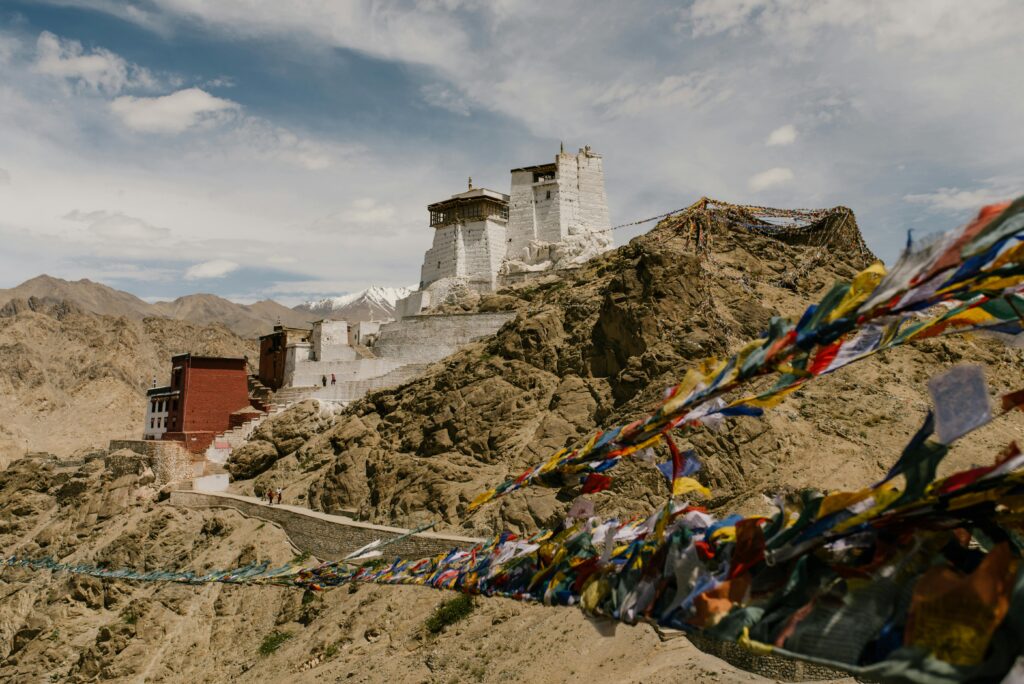
A 17th-century palace overlooking Leh town, built by King Sengge Namgyal. The nine-story structure resembles Potala Palace in Lhasa. Climb to the top for panoramic views of Leh and surrounding mountains. Visit early morning or evening for best light.
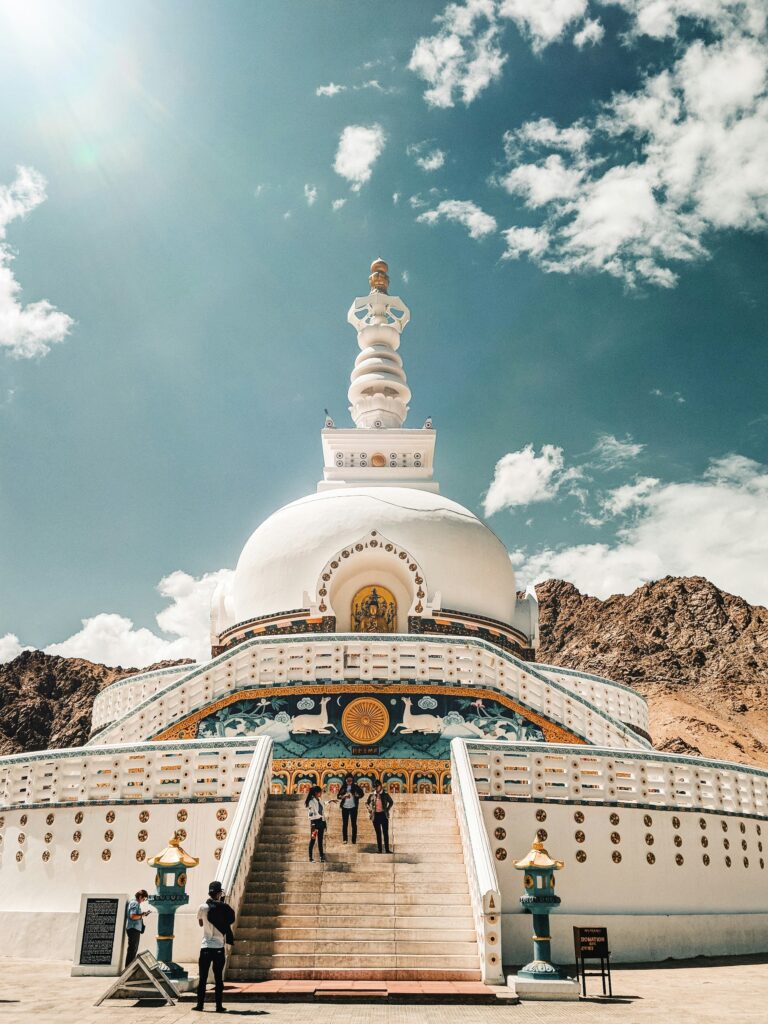
A white-domed Buddhist stupa built in 1991 by Japanese monks. Offers 360-degree views of Leh valley and surrounding peaks. Best visited at sunrise or sunset. A steep climb but worth every step.
Maintained by the Indian Army, this museum showcases Ladakhi culture, military history, and stories of soldiers who defended these borders. Moving and informative.
Bustling main bazaar perfect for shopping pashmina shawls, Tibetan handicrafts, prayer flags, thangkas, and local apricot products. Great for evening strolls and trying local cafes.
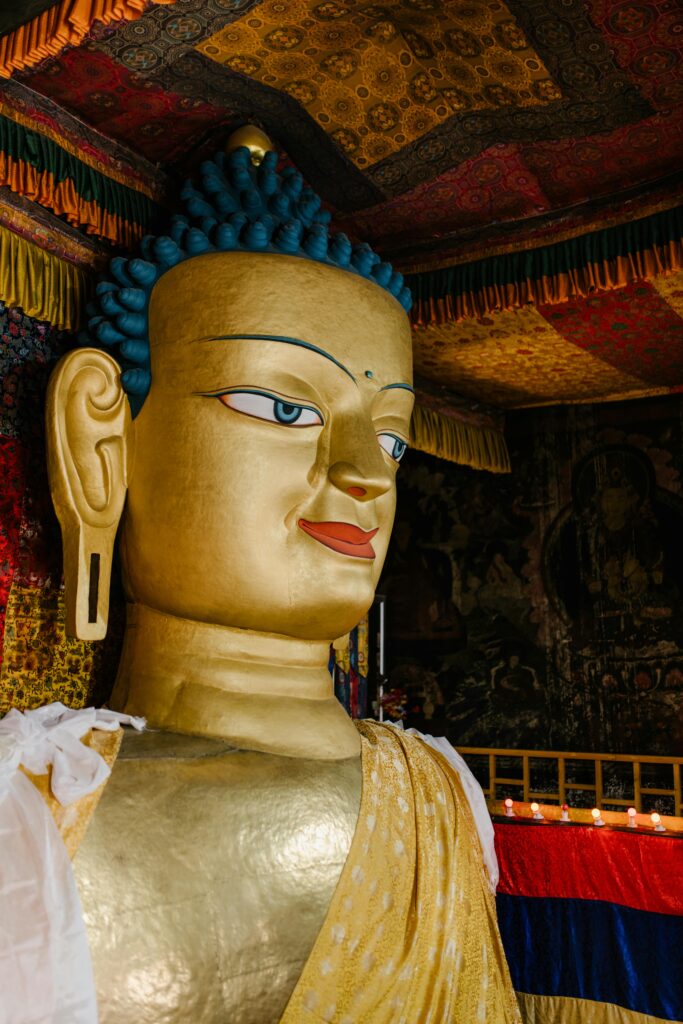
Located 19 km from Leh, this stunning monastery resembles Potala Palace. Home to a 15-meter tall Maitreya Buddha statue. Attend the morning prayer ceremony at 6:30 AM for an unforgettable spiritual experience with monks chanting and playing traditional instruments.
Largest and wealthiest monastery in Ladakh, 45 km from Leh. Famous for the annual Hemis Festival (June/July) celebrating Guru Padmasambhava’s birthday with masked dances. Houses ancient relics, thangkas, and gold statues.
In Nubra Valley, founded in the 14th century. Features a 32-meter tall Maitreya Buddha statue overlooking the valley. The monastery offers breathtaking views of Nubra’s sand dunes and mountains.
23 km west of Leh, known for its 75-foot golden statue of Maitreya Buddha. Less crowded than others, offering peaceful meditation spots.
Perhaps Ladakh’s most famous attraction after “3 Idiots” movie. Located 160 km from Leh at 4,350m altitude, this 134-km long lake stretches into Tibet. The water changes colors from azure to light blue to green throughout the day. Camp overnight to witness stunning sunrise and stargazing. Permits required.
Tips: Carry warm clothes even in summer, pack lunch from Leh, and book permits in advance.
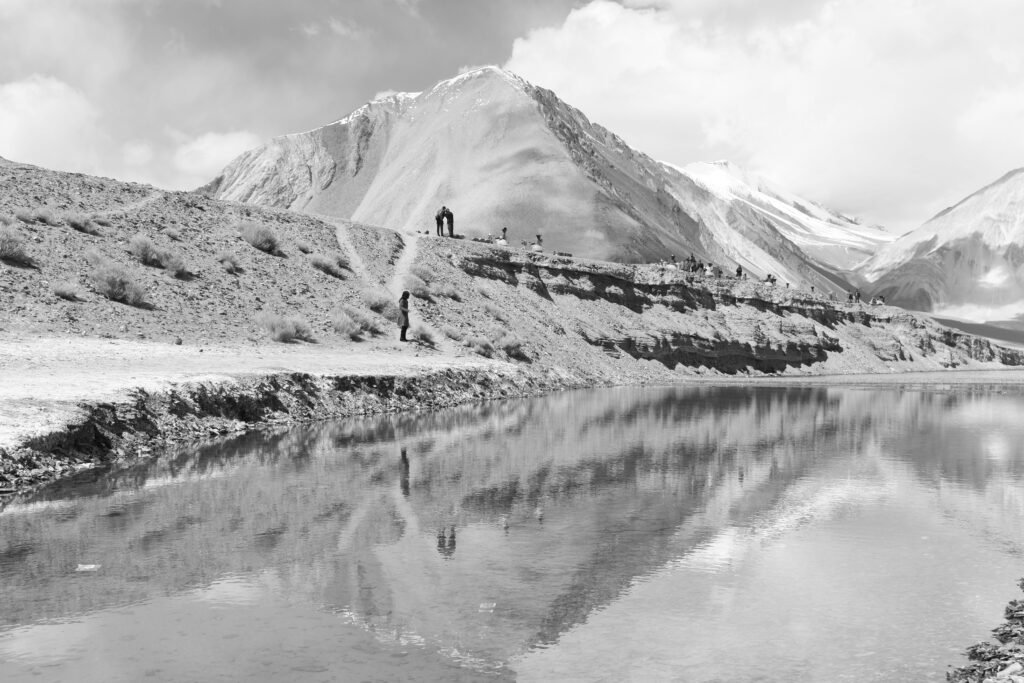
Less crowded alternative to Pangong, located 240 km from Leh at 4,522m altitude. This high-altitude lake is part of a wetland reserve sanctuary. Crystal clear waters reflect surrounding mountains perfectly. Stay in homestays at Korzok village nearby. Permits required.
Known as the “White Lake” due to salt deposits around its shores. Great for bird watching—spot bar-headed geese, brahminy ducks, and if lucky, black-necked cranes. Located en route to Tso Moriri.
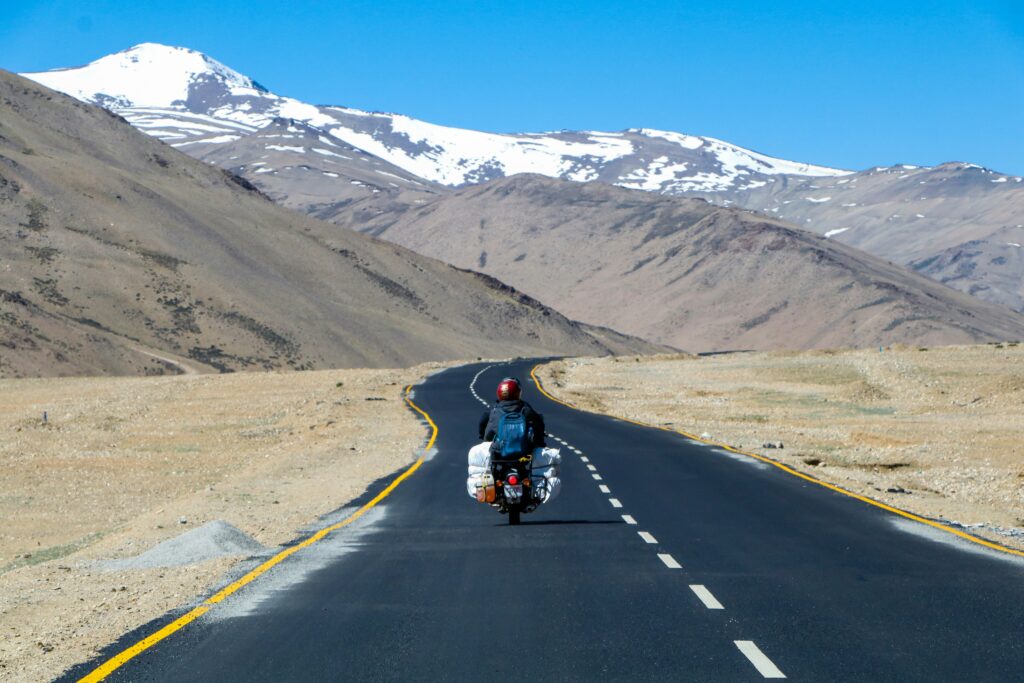
Reached via Khardung La pass (5,359m), one of the world’s highest motorable roads. Nubra is famous for:
Stay overnight in camps or homestays to fully experience the valley.
Remote and ruggedly beautiful, known for trekking and the frozen Chadar Trek in winter (walking on frozen Zanskar River). Summer months offer river rafting, monastery visits (Karsha, Stongdey), and dramatic mountain scenery.
Called “Moonland” due to lunar-like landscape formations. The monastery here is one of Ladakh’s oldest. The drive offers spectacular scenery with moon-like rock formations.
At 5,359m (claimed to be world’s highest motorable pass, though disputed), this is an achievement in itself. Stop at the pass for photos, hot tea, and Maggi noodles. Don’t stay long due to altitude.
At 5,360m, the gateway to Pangong Tso. Features a small temple and prayer flags. Third-highest motorable pass in the world.
An optical illusion where vehicles appear to roll uphill on their own. Located 30 km from Leh on Leh-Kargil highway. Fun photo opportunity.
River rafting from Chilling to Nimmu offers Grade II-III rapids through stunning gorges. Available June to August. Multiple operators in Leh organize trips.
Winter trek (January-February) walking on frozen Zanskar River. One of the most challenging and rewarding treks in India. Requires good fitness and acclimatization.
Cycling routes from Manali to Leh or within Ladakh are legendary among cyclists. Challenging high-altitude terrain with breathtaking views.
Unlike other hilltop monasteries, Alchi is on flat ground, 70 km from Leh. Famous for 1,000-year-old wall paintings with Indo-Himalayan art. Most artistically significant monastery in Ladakh.
Where the Indus and Zanskar rivers meet. The two rivers have different colors—a beautiful sight. Located near Nimmu, 35 km from Leh.
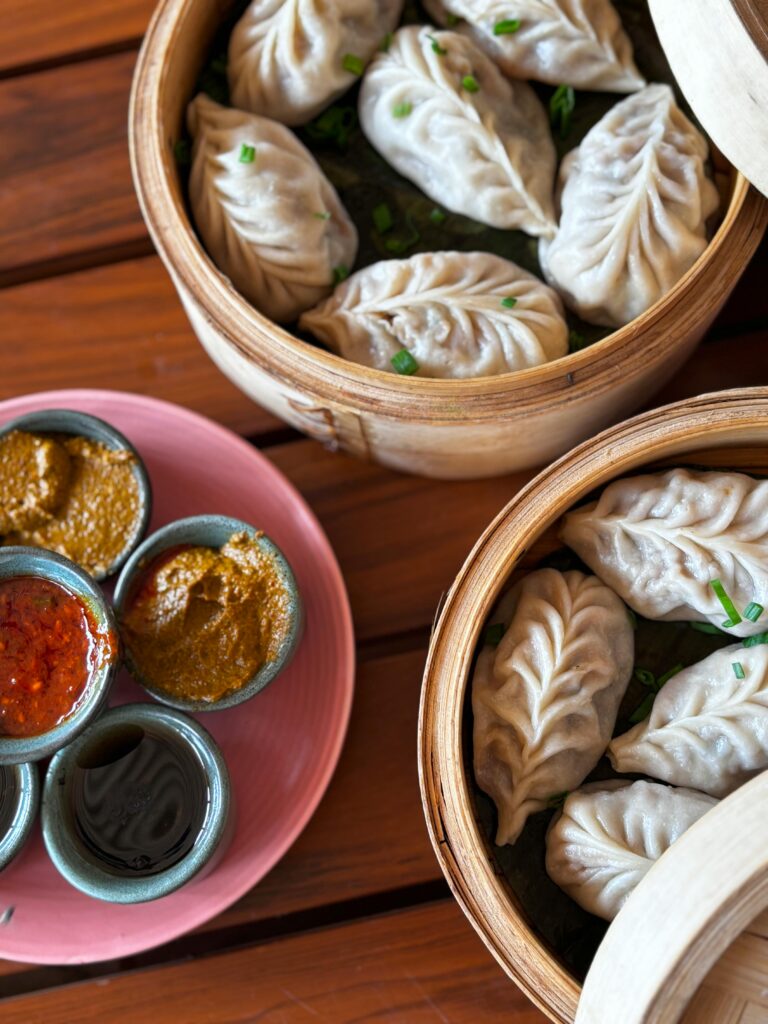
Visit villages like Stok, Matho, or Stakna to experience authentic Ladakhi lifestyle. Many offer homestays where you can eat traditional food and learn about local culture.
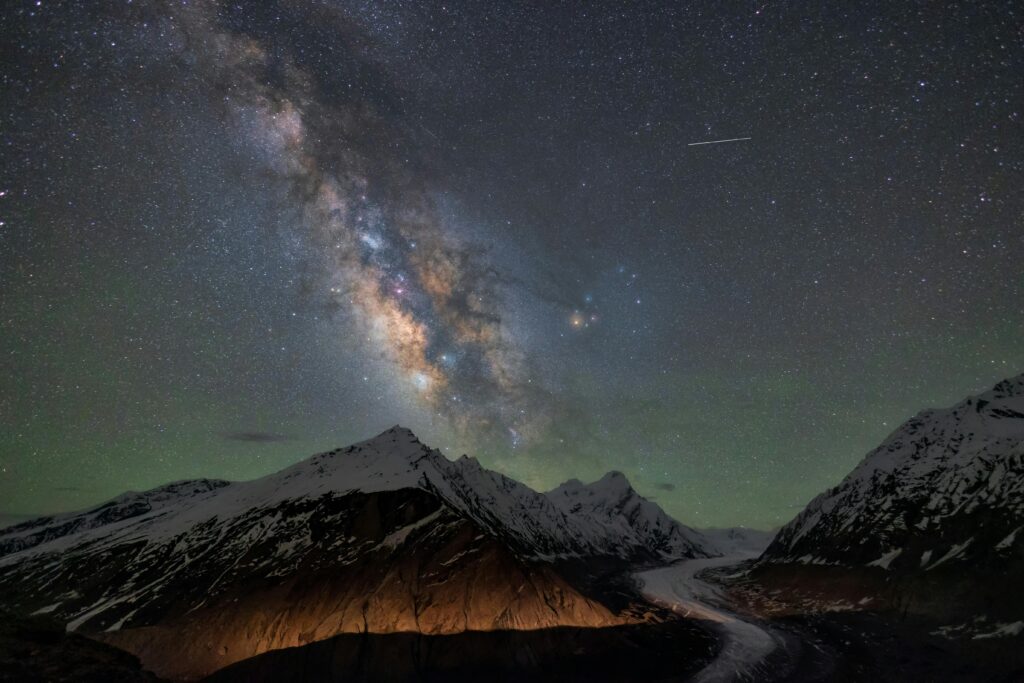
Remote village with one of world’s highest astronomical observatories. Perfect for stargazing with minimal light pollution. Located near Chinese border, requires special permits.
Second coldest inhabited place on Earth. Located on Srinagar-Leh highway. Visit the Dras War Memorial honoring soldiers of the Kargil War.
Essential Items:
Clothing:
Add to above:
Budget Travel: ₹1,500-2,500/day (hostels, local food, shared transport) Mid-Range: ₹3,000-6,000/day (decent hotels, varied food, private taxi shares) Luxury: ₹8,000+/day (luxury camps, resorts, private vehicles)
Leh Ladakh is not just a destination—it’s an experience that changes you. The dramatic landscapes, warm hospitality of locals, spiritual aura of monasteries, and sense of adventure make it truly special. Whether you seek adventure, spirituality, photography, or simply escape from routine, Ladakh delivers beyond expectations.
Plan carefully, respect the fragile ecosystem, take time to acclimatize, and embrace the journey. The mountains are calling—answer with respect and wonder.
“In Ladakh, you don’t just take photographs, you collect memories that last a lifetime.”